
Buying an Older Home in Austin: What to Check Before You Buy

An older house can be a good fit. The question is whether you understand its condition and the work you may be taking on.
When you're comparing homes around Austin, look past the finishes and ask about the foundation, drainage, roof, major equipment, sewer line and previous renovations. Start gathering records while you're shopping. Then use the inspection to investigate the house you've chosen more closely.
I look at a home's age when putting findings into context. I wouldn't expect a house built in 1960 to look like a new build. But “it's an older house” isn't a reason to dismiss a safety concern or leave an important question unanswered.
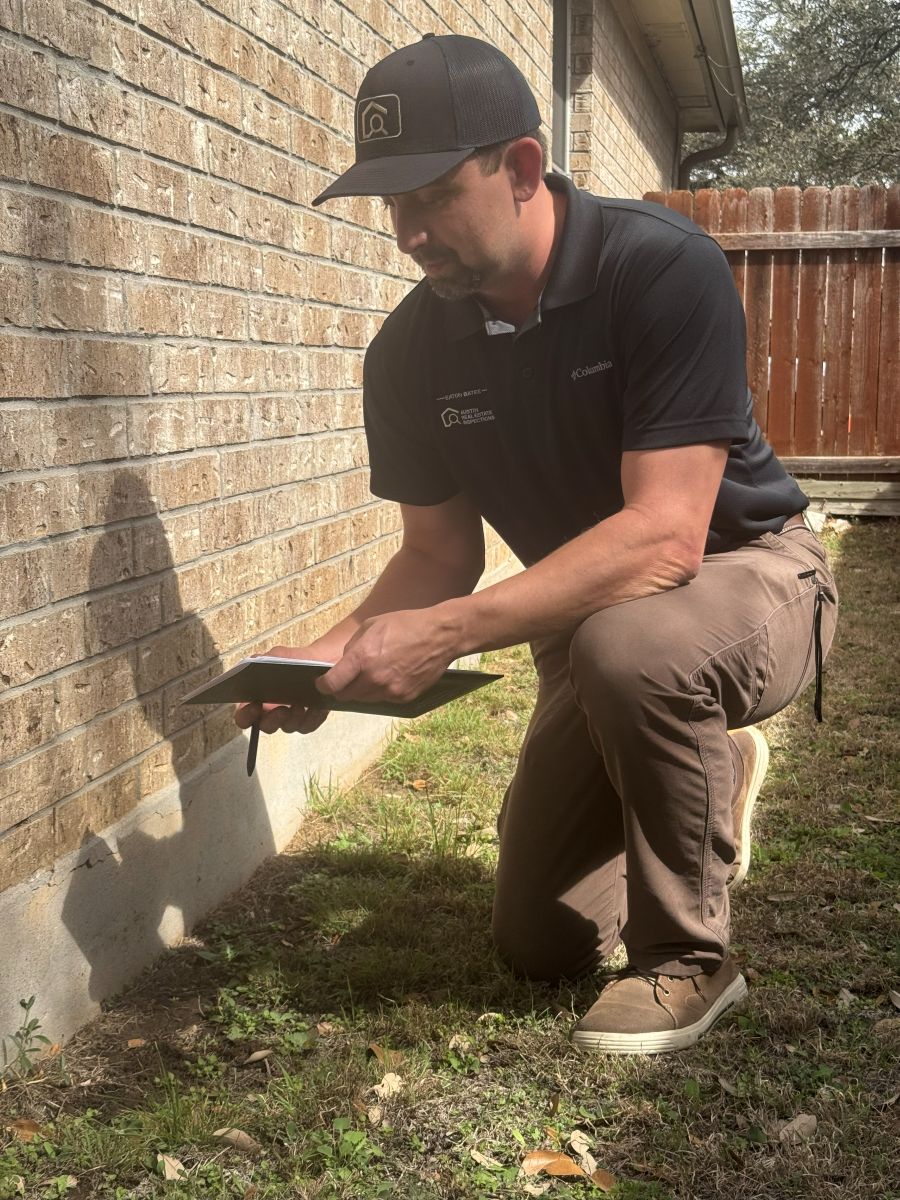
Jump to a section
Start with these questions at the showing
Use the tour to collect questions you want answered before buying.
| What you're looking at | A useful question to ask |
|---|---|
| Roof, air conditioner and water heater | When were they replaced, and are there installation or service records? |
| Yard and drainage | Has water collected near the house or entered the building? What was done about it? |
| Cracks, uneven floors or sticking doors | Have these conditions been evaluated or repaired? Are reports available? |
| Sewer line | Has it been inspected or replaced? Was the work a partial repair or a full replacement? |
| Updated kitchen, bathrooms or additions | What work was actually done, by whom, and what records support it? |
Photograph concerns where permitted and bring them to your inspector. Stay with observations you can make safely from normal walking areas. Leave roofs, electrical-panel interiors and crawl spaces to the appropriate professionals.
Ask what “updated” actually includes
A listing might describe a home as renovated without explaining whether that means new countertops or substantial work on the house's systems.
Ask the seller for a clear list of improvements and any available invoices, permits and inspection records. If the plumbing was replaced, which sections? If a wall was removed, what documentation is available for that work? If the electrical system was updated, what changed?
For property within the City of Austin, the city's Records and Research page links to public permit searches and explains how to request additional records. For nearby communities, check with the authority responsible for that address. If you cannot find a record online, follow up before deciding what its absence means.
Use the records to give the inspector context. They don't replace an examination of the work that's visible today.
If the seller also shares an earlier inspection report, review its limitations and the repair records tied to each finding. Here is how to use a seller-provided inspection report when planning your own inspection.
What does “updated” include?
Follow the claim beyond the finishes.
Visible finishes
New paint, cabinets or counters show what changed on the surface.
Scope of the work
Which systems or sections were changed? Who did the work?
Supporting records
Request available invoices, permits and inspection records.
Look at water around the house, not just stains inside it
Ask about previous roof leaks, plumbing leaks and water entering the house. If repairs were made, request the information that explains what was repaired.
If the home has a fireplace, also review the chimney and flashing concerns to check in Austin homes. The roof connection, visible masonry, cap and surrounding finishes can provide clues worth discussing during the inspection.
Outside, notice where downspouts discharge, whether soil slopes toward the house and whether landscaping makes parts of the exterior difficult to see. These are observations to discuss, not enough by themselves to establish concealed damage.
Heavy vegetation against a wall is a good example. It can limit what I can see. I want the buyer to understand that limitation rather than assume the covered area is either damaged or fine.
For an Austin address, check the city's FloodPro information and maps. For nearby communities, use the appropriate local floodplain resources. A map review and the home's drainage inspection answer different questions; neither should be treated as a guarantee that water cannot enter the property.
Roof → downspout → ground
Look at where water goes after it leaves the roof.
1 · Roof runoffNotice the route from the roof to the gutter and downspout.
2 · Discharge pointLook at where the downspout releases water.
3 · Ground slopeDoes water have a route away, or does the ground lead it toward the house?
Consider foundation clues together
A crack deserves context. So does a door that sticks. I become more concerned when several observations appear together, such as cracking around openings, sticking doors and sloping floors.
Those observations help guide the evaluation, but they don't establish the cause on their own. TREC's foundation guidance describes visible indicators inspectors consider when forming an opinion about foundation performance.
If the seller reports previous foundation repairs, ask for the evaluation and repair records. Give those to your inspector before the inspection when possible. If you are considering measurements, review what my foundation elevation measurement service includes and its limits.
I don't recommend an engineer's foundation evaluation on every home simply because it's older. The recommendation should respond to the conditions and questions at that property. If a concern does require further evaluation, try to resolve it while you still have time to use the information in your purchase decision.
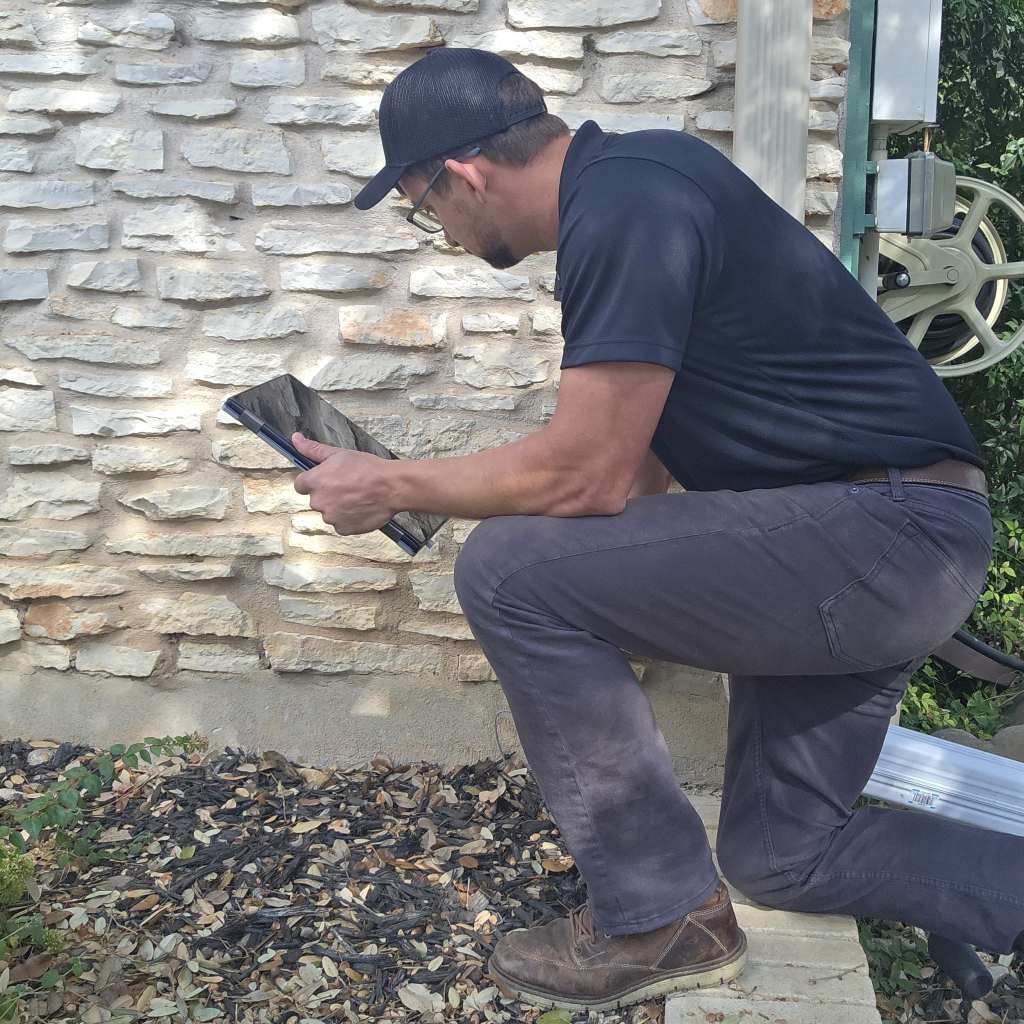
Ask about the sewer line separately
Working drains do not tell the whole story. See what a sewer camera revealed at an Austin home where the fixtures drained normally.
The drains inside the house and the condition of the sewer line are related questions, but a normal fixture-drainage check isn't a camera inspection of the pipe's interior.
Texas's minimum home-inspection standards do not require a sewer camera. Confirm whether a scope is part of the services you've ordered.
For an older house, I put more emphasis on the sewer question when the pipe material or repair history is uncertain, or there are mature trees to consider. That doesn't mean a tree proves root intrusion or the age of the house identifies the pipe material. It means there's a question worth investigating.
If a sewer repair is described as “completed,” ask what was replaced and whether a video or report is available. A repair in one section doesn't tell you the condition of everything else.
My sewer-scope inspection documents the accessible line, visible findings and inspection limitations. Access and conditions affect how much can be examined. If the property uses septic, tell the inspector so the inspection plan addresses that system instead of assuming a city-sewer connection.
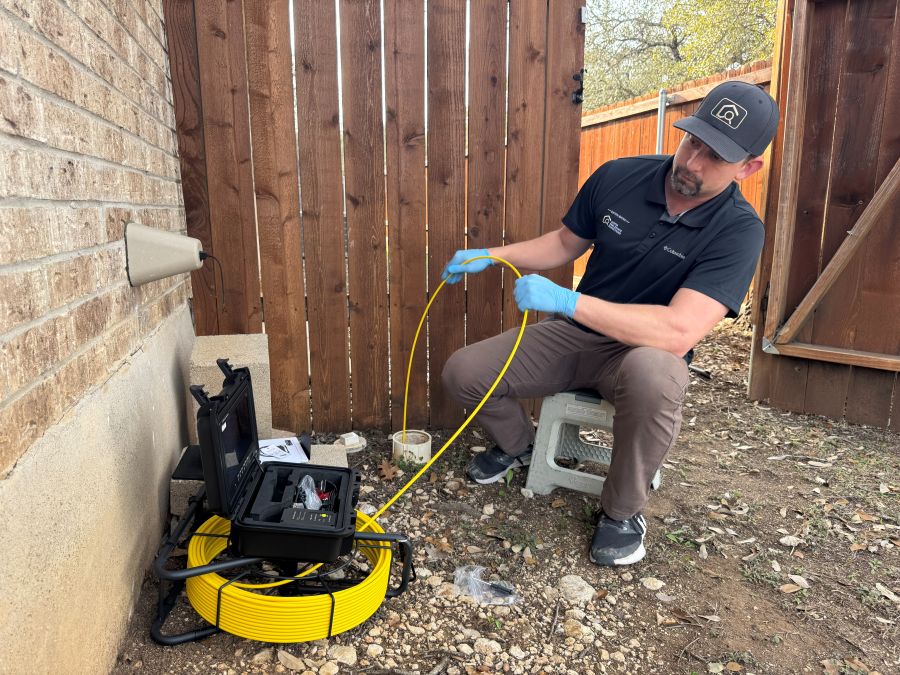
Review the roof and equipment as a group
Ask for the ages and available service records for the roof, heating and cooling equipment, and water heater. Share any reported problems with your inspector.
Consider the combined workload. Several systems needing attention at once may be more than you want to take on, even if each repair seems manageable by itself.
Avoid turning an age into a precise replacement deadline. Ask what the inspection found about present condition and performance, what could not be evaluated, and which concerns deserve a contractor's assessment. If a substantial repair is recommended, get a qualified contractor's written scope and estimate for that specific work.
Check what needs a separate inspection
Choose additional services around the property and the unanswered questions. A standard home inspection has limits: it evaluates accessible systems and their basic operation, rather than opening up the house to investigate every concealed condition. Confirm the scope before booking additional services. For examples, see which inspection add-ons I’d prioritize on different Austin-area homes.
For example, I give a wood-destroying-insect inspection more priority when an older home's exterior has heavy vegetation or signs of limited maintenance. That is a reason to investigate, not evidence that termites are present.
For a home built before 1978, ask about lead-based paint information and any previous testing. EPA's buyer guidance explains the disclosures applicable to most pre-1978 housing and the role of a certified lead inspector. Lead testing is separate from a general home inspection. Arrange any lead evaluation with an appropriately certified professional, particularly if you have concerns or plan to renovate.
Tell your inspector about your plans as well as the house. A buyer intending to remove walls or remodel bathrooms has questions that may go beyond the home's current visible condition.
Decide what the findings mean for you
After the inspection, avoid judging the house by the number of findings alone. A report full of maintenance items tells a different story from a report with substantial structural, moisture or safety concerns. Maintenance still needs attention; the category doesn't mean “ignore it.” My guide to using a home inspection report goes into that decision in more detail.
Ask your inspector:
- What needs prompt attention, and why?
- What needs further evaluation before I decide?
- Which items can become part of an ongoing maintenance plan?
- What important areas or systems couldn't you fully inspect?
Then consider your own tolerance for repairs, disruption and remaining uncertainty. The same house may suit a buyer prepared to manage repairs and be a poor fit for someone who needs fewer immediate projects. That doesn't change the condition of the house. It changes what taking it on would mean for you.
My job is to help you understand those distinctions. I don't earn money from the repairs I recommend, and my inspection fee doesn't depend on whether you buy the house.
Considering an older home around Austin? Contact me with the address, approximate age and anything that concerns you. I can help you work out which inspection services make sense for that property.