
Austin-area buyer guide
Which home inspection add-ons are worth it in Austin?
Eaton Bates · Texas Professional Inspector #26867
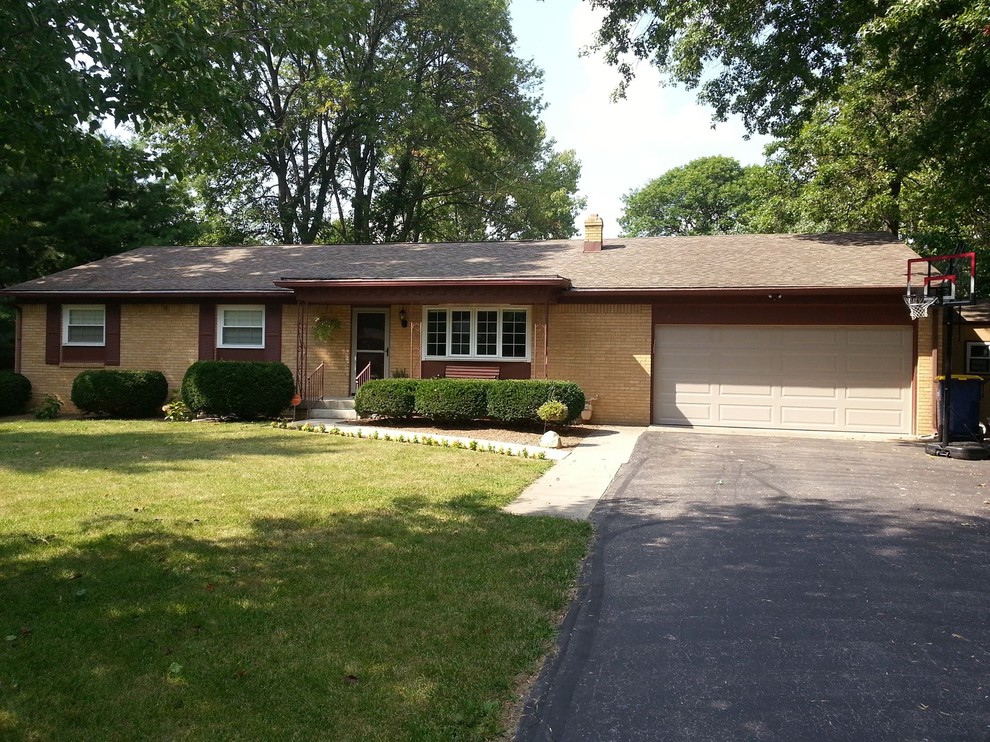
Say you’re buying a 1970s house in Austin. The kitchen has been redone, there’s a mature oak out front, and the seller doesn’t know whether the original sewer line was replaced. You’ve budgeted for the home inspection and can afford one extra. Where would I start?
On those facts, I’d put a sewer scope first. The remodel tells us very little about the buried pipe, and a camera can answer a question I can’t settle by running water inside. If the seller hands you a recent inspection video showing the full accessible line, I’d want to see it. That could change where I’d spend the next dollar.
An older home on city sewer
Ask what was replaced and where the work stopped. A receipt for plumbing under the kitchen may tell you plenty about the kitchen and nothing about the line across the yard. A mature tree gives you a reason to look at the pipe. Its presence alone tells you nothing about whether roots have entered it.
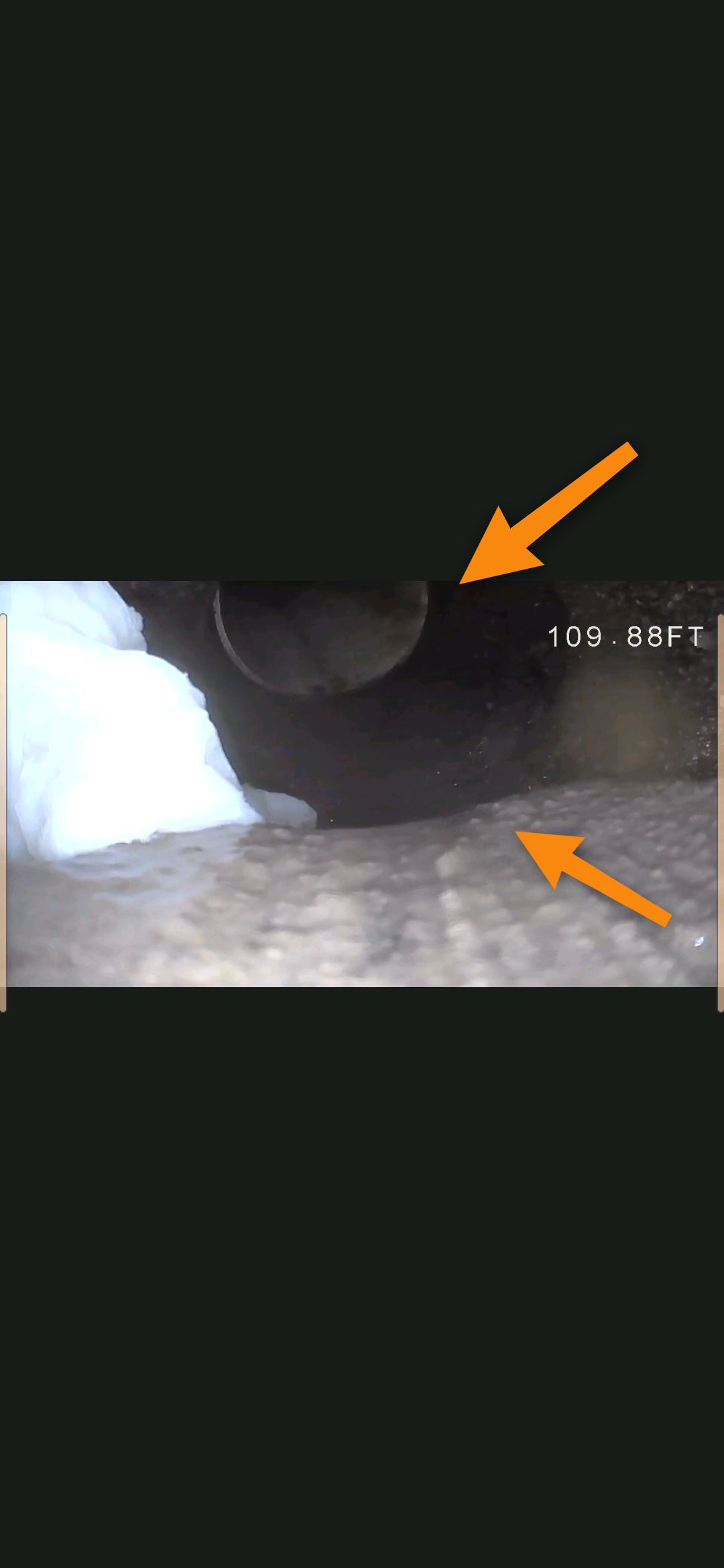
At one Austin inspection, I ran multiple fixtures together for more than five minutes. Water drained and nothing backed up. Later, the camera showed separated pipe ends with a muddy gap between them. The fixture test told me that water left the house during the test. The camera showed what it passed through. See the sewer camera findings from that inspection.
When would I add a termite inspection?
Once I’ve considered the buried pipe, I look at the house where it meets the ground. That part of the walk-around helps me decide how much priority I’d give a termite inspection.
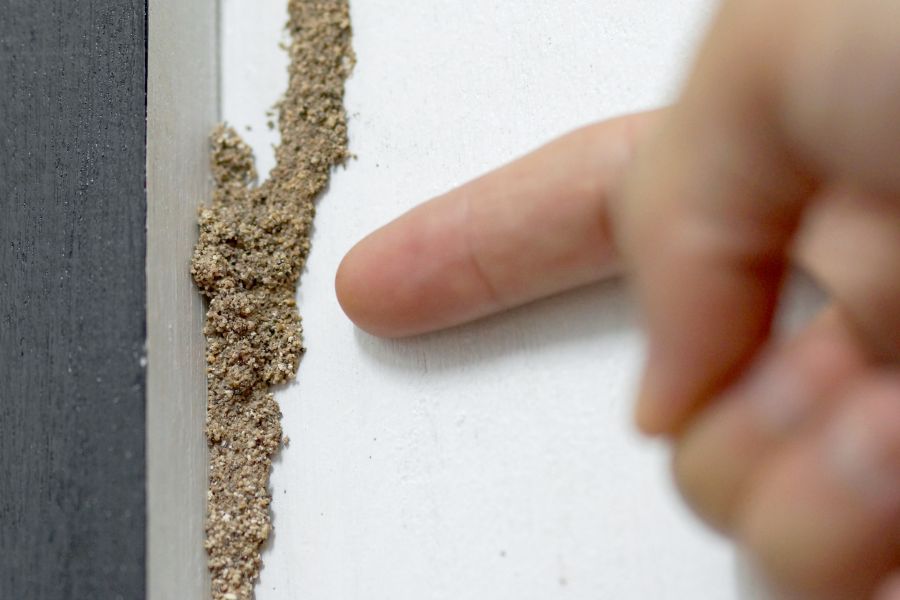
A termite inspection moves up my list when soil or mulch meets wood, moisture persists at the wall, or dense vegetation makes the foundation edge hard to see. Those conditions can favor insects or conceal evidence. They don’t tell me the house has termites. A separate wood-destroying insect (WDI) inspection documents visible evidence, conditions that favor infestation, and areas I couldn’t see. See what the termite report covers.
For a concrete example, my sewer scope adds $175 to a home inspection. On a slab home up to 2,000 square feet, adding the WDI inspection as well brings the two extras to $295 before any applicable travel fee. If you’re weighing those two services, tell me what you know about past plumbing work, treatment records and the condition around the house.
A newer subdivision home with sprinklers
First, read the quote. Thermal imaging and inspection of an installed irrigation system are included with my home inspection. If the house has sprinklers, you can leave a separate sprinkler fee out of your budget when you book with me.
What can a sewer scope find in a new line?
If you’re buying a brand-new home on city sewer and the builder has no camera footage, I’d recommend spending the $175 on a sewer scope, even if every fixture drains. Roots and scale buildup in old cast iron are usually concerns I associate with older lines. On a new build, I’m looking for installation problems, such as pipe sections that don’t line up properly, or damage that may have occurred while heavy equipment was working on the lot.
If the inspection budget is tight, the scope is one option you can leave off. The tradeoff is that a damaged or improperly installed section could go undetected before closing. If the builder does have a recording, ask to see it. I’d check that it shows your house, when it was recorded and how much of the line the camera reached.
What would floor measurements tell me?
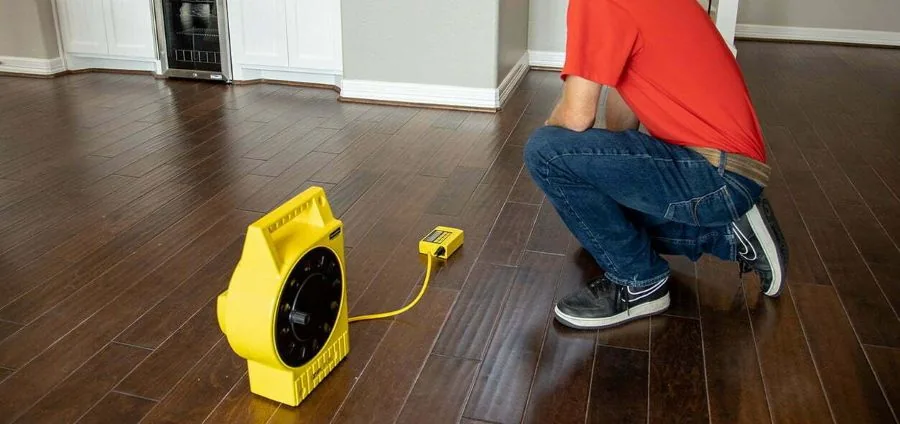
Floor-elevation measurements are another choice buyers ask about. They give you a map of relative floor heights on the day of the inspection. That’s useful if you want a baseline. If several doors bind in the same part of the house and nearby walls show cracking, the question changes. A set of numbers alone can’t tell you what caused those conditions or whether repairs are needed. That’s when I’d discuss a structural engineer’s evaluation.
A house on septic
If the listing says septic, I’d prioritize the septic inspection. On this property, you’re buying the equipment and land that handle the wastewater after it leaves the house. Even a clear camera view all the way to the tank leaves you with questions about the tank, any pumps or alarms, and the area where the treated wastewater goes.
Ask the seller for the permit or plan, service records and the location of the lids. Tell me if the home has been vacant or if a guest house also uses the system. If pumping is being arranged, call before the tank is emptied. The operating level is one of the clues we want to see. Pumping and the inspection are priced separately. Read what I check on a septic system.
What would change your inspection order?
If you plan to use it, make room for the pool and spa inspection. I offer it with the home inspection and check accessible equipment, operation and visible safety concerns.
Ask for the actual video, report or repair invoice. Check the date, property and area covered. Then decide what question is still worth paying to answer.
If you’re comparing quotes, write down the one thing about this house you’d most regret learning after closing. That’s a better place to start the conversation than the number of boxes on the order form.