Detailed Leander Home Inspections From an Experienced Local Inspector

Leander homes are not all built the same, and your inspection should account for that. 

From newer production-builder neighborhoods to custom Hill Country properties, established Crystal Falls homes, and older structures near Old Town.

I inspect each property with practical attention to the systems and conditions most likely to affect safety, repair costs, and long-term ownership.

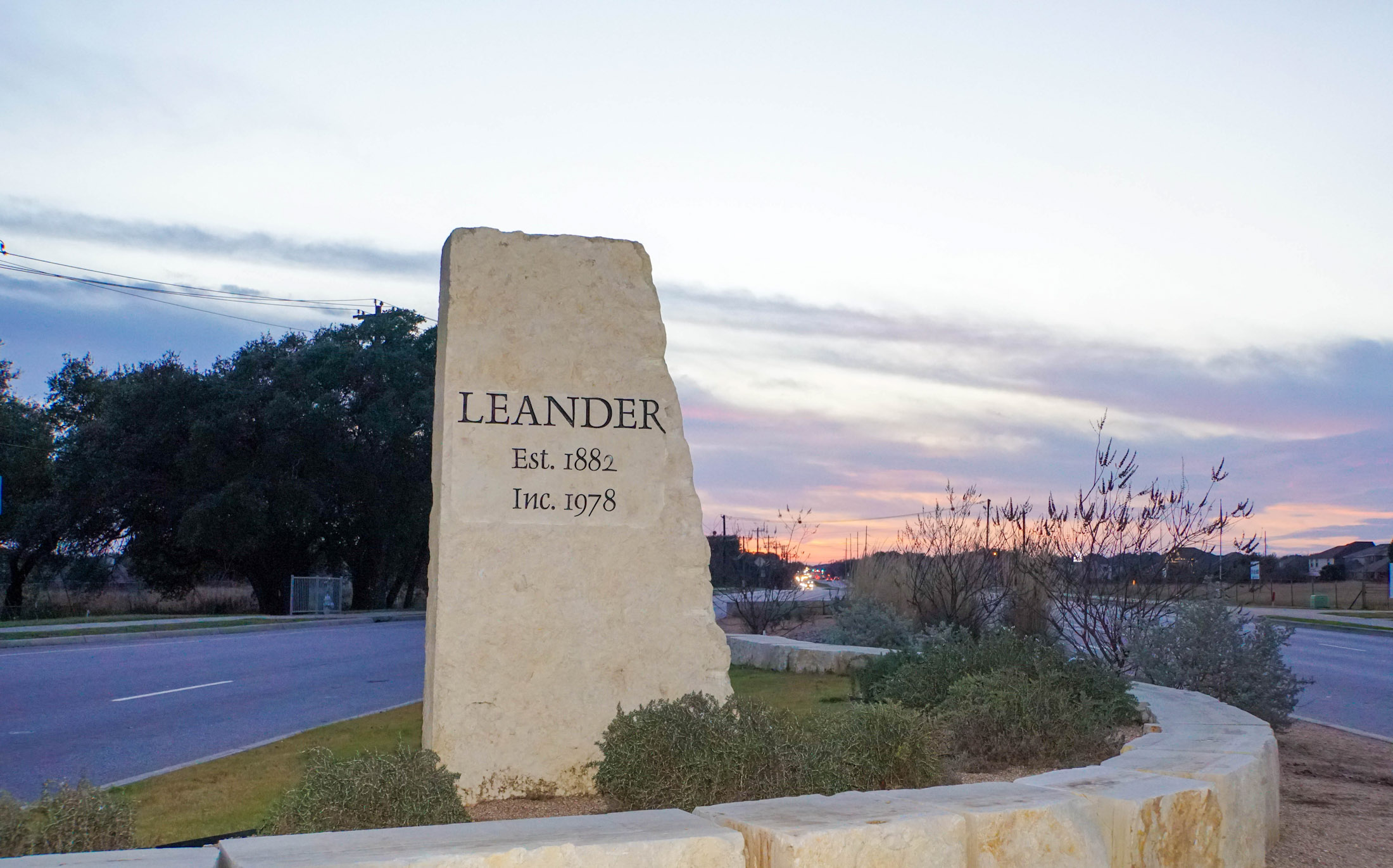
Leander Texas entrance sign at sunset with Hill Country landscape

My goal as a Leander home inspector is to give buyers a clear, practical understanding of the home’s condition, with special attention to foundation performance, drainage, roofing, attic conditions, HVAC, irrigation, termitessewer lines, and the kinds of defects that can become expensive after closing.

Home inspector Eaton Bates at a new construction home

What I Look For In Leander Homes

My approach is to inspect the home as a complete system and not just a checklist of individual components. I look closely at how the roof, attic, drainage, foundation, HVAC, plumbing, electrical, exterior materials, and site conditions work together, because those relationships often reveal the issues that matter most to a buyer.

A home inspection in Leander can look very different from one property to the next. A newer subdivision home may need close attention to builder workmanship, attic details, grading, irrigation, roof installation, and HVAC performance

Leander homes can involve modern building systems, irrigation systems, pools, steep lots, limestone terrain, drainage concerns, retaining walls, high-efficiency HVAC equipment, and construction details that vary significantly by builder and neighborhood. 

Leander Homes Require a Different Kind of Local Context

Leander is not one uniform housing market. A home inspection here may involve a newer production-builder home near Ronald Reagan Boulevard, an established home in Crystal Falls, a custom Hill Country property, or an older structure closer to Old Town and Bagdad Road. That mix matters. 

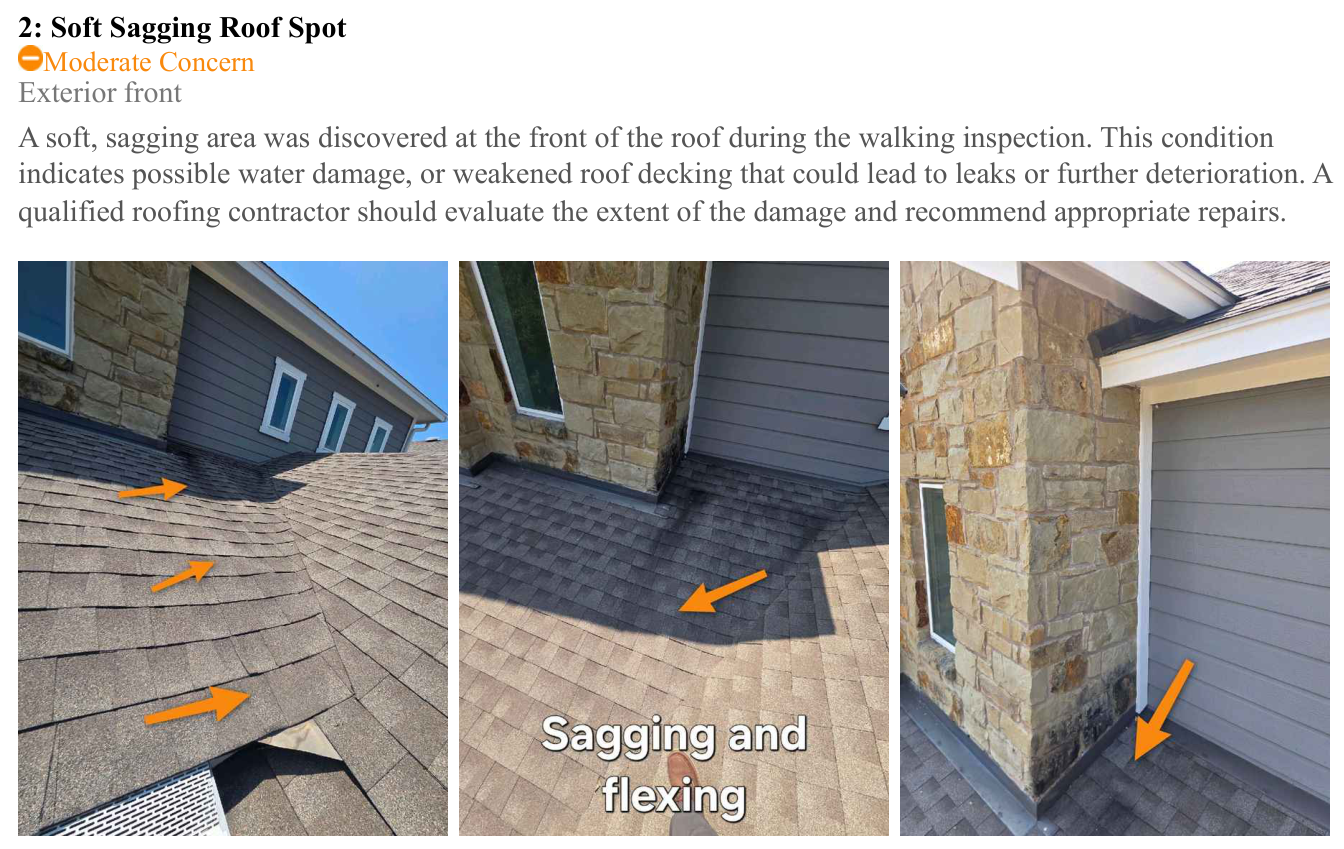
Leander home inspection findings

An older home closer to Old Town may raise different concerns, including aging plumbing, electrical updates, drainage changes, additions, prior repairs, and long-term maintenance. 

For homes on larger lots or near the Hill Country edges of Leander, I pay close attention to how the structure interacts with the site. Slope, limestone, retaining walls, roof runoff, irrigation overspray, and drainage paths can all affect the way a home performs over time. 

My goal is not just to identify defects. It is to help the buyer understand which findings are routine, which ones deserve monitoring, and which ones could affect safety, future repair costs, or negotiation strategy.

Field Methods That Add Context to a Leander Home Inspection

A useful inspection often comes from connecting small observations together. 

A stain below a window, a soft area near exterior trim, a sticking bedroom door, large trees near the sewer line, or a temperature difference on thermal imaging may not tell the whole story by itself. 


“The value comes from knowing what to check next”


When I see suspicious staining or temperature differences, I use thermal imaging first to look for patterns, then follow up with a moisture meter when accessible. Thermal imaging does not prove moisture by itself, but it can help identify areas that deserve closer evaluation. 

Home inspector Eaton Bates using a thermal imager at an electrical panel in Leander

When I see large mature trees, older plumbing materials, slow drains, or signs of prior yard or foundation work, I consider whether a sewer scope would be useful. 

In parts of Leander with established trees or older drain lines, the underground plumbing can be just as important as what is visible inside the house. 

When I notice sticking doors, diagonal cracks, separated trim, uneven floors, or exterior brick movement, I look at the home as a whole instead of treating each item as isolated. When appropriate, I can perform foundation measurements to add more context to visible movement concerns. 

Foundation measuring in Leander


When I inspect irrigation, grading, roof drainage, and soil conditions, I’m looking for conditions that can affect the structure over time. 

In Central Texas, water management around the house matters. Poor drainage, missing gutters, overwatering near the foundation, or negative grading can all contribute to future problems. 

This is the kind of practical inspection process I aim to bring to Leander buyers: real observations, real tools, and clear explanation of why the findings matter.

Leander Home Types Can Vary Dramatically

Leander has grown quickly, but the homes are not all from one era or one style of construction. 

Some neighborhoods are made up mostly of newer production-built homes, while other areas include established subdivisions, custom homes, older properties near Old Town, and larger lots with more site-specific concerns. 

That variety changes the inspection. A newer home may be more likely to have concerns related to builder workmanship, grading, irrigation, attic details, or HVAC installation. An older or heavily modified home may require more attention to aging materials, additions, electrical updates, drainage changes, and prior repairs.

leander production home

Newer Production-Built Homes

Many Leander buyers are looking at newer homes in rapidly developed neighborhoods. Newer construction can be a strong choice, but it still deserves a careful inspection. 

I often pay close attention to roof installation details, attic ventilation, insulation coverage, HVAC ductwork, drainage around the slab, irrigation spray patterns, exterior flashing, appliance installation, and general builder workmanship. A newer home does not automatically mean a problem-free home. Some of the most important findings are not age-related; they are installation-related.

home-in-leander

Established Neighborhood Homes

Some Leander homes are not brand-new, but they are not old enough to feel obviously outdated either. These established neighborhood homes often require a different kind of attention because many original systems may still be present, while other parts of the home may have been repaired, replaced, remodeled, or partially upgraded over time. 

During these inspections, I pay close attention to roof age and installation quality, HVAC condition, water heater age, attic ventilation, insulation levels, drainage changes, exterior maintenance, plumbing updates, electrical safety, and whether prior repairs appear complete or merely cosmetic. 

These homes can be excellent purchases, but the inspection needs to separate normal aging from issues that may affect safety, repair costs, or long-term performance.

Custom hill country home

Custom and Hill Country Homes

Some Leander properties feel very different from standard subdivision homes. Custom and Hill Country homes may have larger footprints, steeper lots, more complex rooflines, retaining walls, pools, outdoor living areas, and site conditions that require closer attention during the inspection. 

With these homes, I look carefully at how the structure relates to the land around it. Drainage paths, roof runoff, slope, limestone, exterior wall transitions, decks, balconies, retaining walls, and irrigation patterns can all affect long-term performance. These homes can be very desirable, but they often require a more site-specific inspection because the risk is not always limited to the house itself. The lot, drainage, grading, and exterior systems matter just as much.

home in old town Leander

Older Homes Near Old Town

Older homes near Old Town and Bagdad Road can bring a different set of inspection concerns than newer Leander subdivisions. These properties may have been updated over time, but the history of the home often matters as much as its current appearance. 

During these inspections, I look more closely for aging plumbing, older electrical components, past remodeling work, foundation movement indicators, roof and attic updates, drainage changes, and signs that repairs may have been done in stages rather than as one complete project. 

These homes can have a lot of character, but they deserve a careful inspection because older materials, additions, and partial upgrades can create conditions that are not always obvious during a showing.

leander ranch home

Larger Lots and Edge-of-Town Properties

Some Leander properties sit on larger lots or feel more rural than a typical subdivision home. These homes may have more site-specific concerns, including longer drainage paths, private fencing, outbuildings, long driveways, detached structures, septic systems, wells, propane equipment, or utility layouts that are less standardized than newer neighborhood homes.

During these inspections, I pay close attention to how the property is managed as a whole. Roof runoff, grading, drainage swales, erosion, trees near structures, retaining walls, exterior electrical, crawlspace or pier-and-beam areas when present, and visible utility connections can all affect future maintenance and repair costs

These properties can offer more space and privacy, but they often require a broader inspection mindset because the home is only one part of the property being evaluated.

Site Conditions That Matter in Leander

Check the exterior of the Leander Texas home
In Leander, the land around the home often matters just as much as the house itself. 
 
Many properties involve some combination of limestone terrain, slope, retaining walls, irrigation systems, and drainage patterns that can affect how water moves around the structure. 
 
I look closely at grading, roof runoff, downspout discharge, erosion, low areas near the foundation, sprinkler overspray, and any visible signs that water may be collecting where it should be draining away. These conditions may not look dramatic during a showing, but they can contribute to foundation movement, moisture intrusion, soil displacement, or long-term exterior deterioration. 
 
This is also where foundation measurements can be useful. A ZipLevel foundation measurement does not replace an engineer’s opinion, but it can help document floor elevation patterns and identify whether further evaluation may be worth considering.
Mature,Couple,Reviewing,And,Signing,Domestic,Finances,And,Investment,Paperwork

When a Standard Inspection May Not Be Enough in Leander

A general home inspection gives buyers a strong overview of the visible and accessible condition of the home, but some Leander properties deserve a closer look in specific areas. Depending on the age, location, site conditions, and features of the property, additional services may provide useful information before closing.

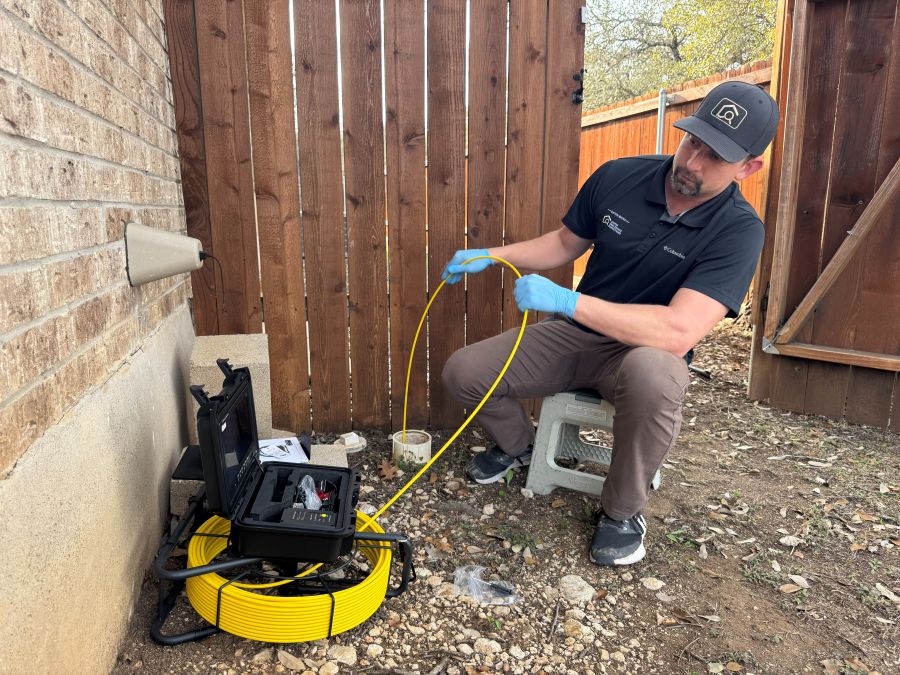
Home inspector Eaton Bates performing a Leander sewer scope inspection

Sewer Scope Inspections

A sewer scope can be especially useful for older Leander homes, homes with large trees, homes with long sewer runs, or properties where the underground drain line condition is unknown. Even newer homes can have sewer line issues from poor slope, installation defects, construction debris, settlement, or damaged piping.

termite-found-in-inspection-leander

Termite and WDI Inspections

Wood-destroying insect inspections are important throughout Central Texas, including Leander. I look for visible evidence of termite activity, conducive conditions, wood-to-ground contact, moisture-prone areas, and other conditions that may increase risk around the structure.

Foundation measuring in Leander

Foundation Measurements

Foundation measurements can be useful when there are visible signs of movement, unusual floor slopes, sticking doors, drywall cracks, brick cracks, or other conditions that raise questions about slab performance. I use a ZipLevel to document floor elevation differences throughout the home and help identify patterns that may deserve further evaluation. This service is not the same as an engineering evaluation. If the findings suggest a more serious structural concern, a separate engineer evaluation may be recommended.

A home pool in the countryside

Pool Inspection

Many Leander homes include pools or outdoor living areas, especially in larger homes and established neighborhoods. A pool inspection can help buyers better understand the visible condition of the pool surface, equipment, plumbing, electrical components, safety features, decking, coping, drainage, and general operation.

irrigation-system-inspections-leander

Irrigation System Inspections

Irrigation systems are common in Leander and can affect more than the landscaping. Broken heads, overspray against exterior walls, poor coverage, leaking valves, and water discharging near the foundation can contribute to moisture problems, soil movement, and wasted water.

Why Construction Experience Matters During a Leander Home Inspection

A home inspection is not just about identifying whether something is present or absent. 


“The real value is often in understanding whether a condition is minor, typical, poorly installed, incomplete, unsafe, or likely to become expensive later”


Eaton Bates, experienced home inspector

My background comes from years of hands-on work in Austin-area homes including many in Leander, not just classroom inspection training. 

That experience helps me look at a house more practically. I pay attention to how materials were installed, how systems were modified, whether repairs look complete, and whether a defect is isolated or part of a larger pattern

In Leander, that matters because homes can vary so much by builder, lot type, age, drainage, terrain, and maintenance history.

A newer home may have installation defects. An older home may have partial upgrades. A Hill Country property may have site conditions that affect the structure over time. My goal is to give buyers useful judgment, not just a checklist.

Common Questions About Leander Home Inspections

Common home buyer questions in Leander

How much does a Leander home inspection cost?

Home inspection pricing in Leander depends on the size, age, and features of the property. Most Leander home inspections range from about $350-$750, depending on size, age, and add-on services. 

Larger homes, older homes, pools, sewer scopes, termite inspections, irrigation systems, and foundation measurements can all affect the total inspection fee. You can schedule online and get an instant quote before booking.

Do newer Leander homes still need a home inspection?

Yes. Newer homes can still have defects related to builder workmanship, roof installation, attic ventilation, insulation, HVAC installation, grading, irrigation, drainage, appliances, and exterior flashing details. A newer home does not automatically mean a defect-free home.

Are foundation concerns common in Leander?

Foundation concerns can occur in Leander, but the issue is not always simple “expansive clay.” Many properties involve supportive limestone terrain, slope, drainage patterns, irrigation systems, retaining walls, and grading conditions that affect how water moves around the structure. When appropriate, foundation measurements can help document floor elevation patterns.

Should I get a sewer scope on a Leander home?

A sewer scope may be useful for older homes, homes with large trees, long sewer runs, unknown underground plumbing history, or signs of drainage issues. Even newer homes can have sewer line defects from installation problems, settlement, construction debris, damaged piping, or improper slope.

Do you inspect pools in Leander?

Yes. Pool inspections are available as an add-on service. A pool inspection can help evaluate the visible condition of the pool surface, equipment, plumbing, electrical components, safety features, decking, coping, drainage, and general operation.

Home buyer scheduling a home inspection
If you are buying a home in Leander, my goal is to give you a clear, practical understanding of the property before closing.
 
 I inspect the visible and accessible major systems, explain why the findings matter, and help you separate 
normal maintenance from defects that may affect safety, repair costs, or long-term ownership. 
 
I serve Leander and surrounding Central Texas areas, including Cedar Park, Liberty Hill, Georgetown, Round Rock, and North Austin. 
 
Same-day reports are available, and add-on services such as sewer scopes, termite inspections, foundation measurements, pool inspections, and irrigation inspections can often be scheduled with the main inspection.