
Chimneys In Austin Homes
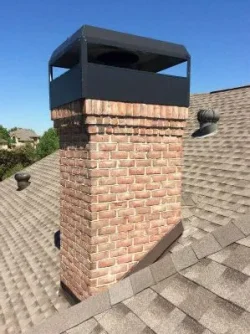
Types of Chimneys Found In Austin Homes
Chimneys are common in many Austin homes, especially in older properties built before modern heating systems became widespread. While they may look simple from the outside, chimneys can hide safety and moisture issues that aren’t always obvious to homeowners. This guide explains how chimneys are typically built in Austin homes, common defects inspectors see, and why proper evaluation matters.
Most Austin homes with chimneys fall into a few common categories based on age and construction style. Older homes often have masonry chimneys built from brick or stone, which can be durable but are prone to cracking and moisture intrusion over time. Newer homes are more likely to have factory-built metal flue systems designed primarily for gas fireplaces. The type of chimney matters because inspection concerns, repair methods, and safety risks differ significantly between designs.
Common Chimney Defects Inspectors See In Austin
Chimney issues in Austin often relate to age, moisture, and improper installation. Common defects include cracked or deteriorated masonry, missing or damaged chimney caps, rusted metal flues, and improper clearances to combustibles. Flashing failures are especially common and can lead to roof leaks and hidden interior damage. These defects may not affect daily use immediately but can become safety or moisture problems over time.
Chimney Flashing And Roof Leaks
Chimney flashing is one of the most common sources of roof leaks in Austin homes. Because chimneys interrupt the roof surface, they rely on multiple layers of flashing to properly shed water. When flashing is improperly installed, deteriorated, or sealed with temporary materials, water can enter the attic or wall cavities and cause hidden damage. Many chimney issues inspectors note are actually roofing-related flashing failures rather than problems with the chimney itself. The U.S. General Services Administration publishes guidance onRepairing Chimney Flashing | GSA
What Inspectors Look For
- Chimney cap condition
- Masonry cracks/separation
- Proper flashing & counter-flashing
- Clearances to combustibles
- Flue condition (metal vs masonry)
- Signs of moisture intrusion
- Settlement or lean
- Interior firebox condition
Learn more about our comprehensive Home Inspection Services
When Chimney Issues Should Be Repaired
Chimney issues should be repaired when defects affect safety, allow water intrusion, or show signs of ongoing deterioration. Cracked masonry, damaged caps, improper flashing, rusted flues, or inadequate clearances can worsen over time and lead to costly repairs or fire hazards. During an inspection, these conditions are documented so homeowners can prioritize repairs before damage spreads.