
Which Home Inspection Defects Matter Most?

Not all home inspection defects carry the same weight. Some issues are minor maintenance items, while others can affect safety, insurance, or long-term costs.
Buyers often receive an inspection report with dozens of findings and aren’t sure what actually matters. Realtors face the same challenge when helping clients prioritize next steps.
This page explains how to think about inspection results not just what was found, but what deserves attention first.
How Inspectors Think About Inspection Issues
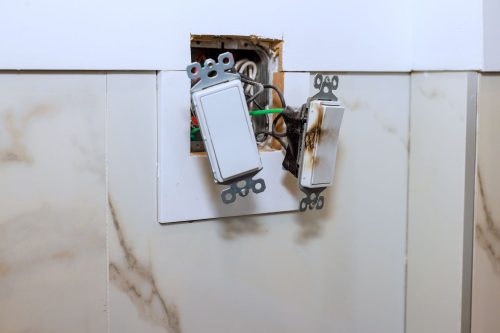
Safety Issues
These are conditions that could pose an immediate risk to occupants. Examples include exposed electrical wiring, missing handrails, gas leaks, or unsafe deck construction.
Safety issues should be addressed promptly and are often the most important items in an inspection report along with all of the other home inspection defects.
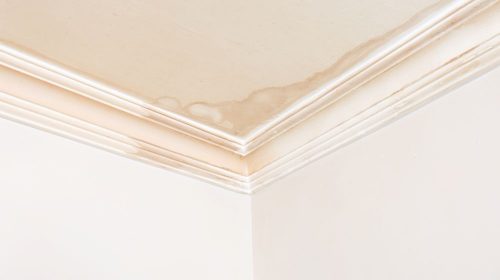
Major Defects & Future Cost Risks
These issues may not be dangerous today, but they can lead to expensive repairs or system failures. Roof damage, foundation movement, HVAC problems, or improper drainage fall into this category.
These items often influence negotiations because of their potential cost.

Maintenance & Minor Defects
It is not uncommon for many inspection findings to be routine maintenance items or minor defects. Things like worn weatherstripping, aging fixtures, or cosmetic damage.
These items are common in most homes, especially once they age and many of these can be remedied at a low cost.
However, there are scenarios where even these items can turn into larger expenses over time, so context is critical here.
What Often Matters Less Than Buyers Expect
Inspection reports are detailed by design. A long report filled with home inspection defects does not automatically mean a home is bad. Older homes especially will have numerous findings that reflect age, not always failure.
The key is understanding which items affect safety, cost, or long-term performance, and which do not.
Austin Area Considerations
In Central Texas, Inspectors often see recurring themes such as expansive soils, older electrical systems in certain neighborhoods, and drainage issues related to grading.
Understanding what is common versus unusual in the Austin area helps buyers make informed decisions.
Issues That Are Often Less Urgent
Some inspection findings look concerning on paper but are commonly seen and typically lower priority when evaluated in context.
Examples often include:
• Cosmetic or finish issues such as cracked caulk, minor drywall cracks, worn flooring, or aging paint.
• Aging components that are still functional, like older water heaters or HVAC systems that are operating properly but nearing the end of typical service life.
• Minor code changes where systems were installed under older standards but are not unsafe or defective.
• Routine maintenance items such as dirty filters, minor wood rot limited to trim, or loose fixtures. These items are usually expected, especially in older homes, and do not typically indicate underlying structural or safety problems.
That said, no inspection finding should be ignored without understanding its context. A condition that is minor in one home may be more significant in another depending on location, extent, or related issues.