
Austin Real Estate Inspections
Look inside the sewer line before a hidden problem becomes an expensive surprise.
For homebuyers, homeowners and Realtors across Austin, Cedar Park, Leander and nearby Central Texas communities.
$175 with a home inspection · $250 standalone
Full video, documented findings and practical next steps in a same-day Spectora report.
Personally inspected by Eaton Bates, Texas Professional Inspector #26867. Independent findings from an inspector who does not sell sewer repairs.
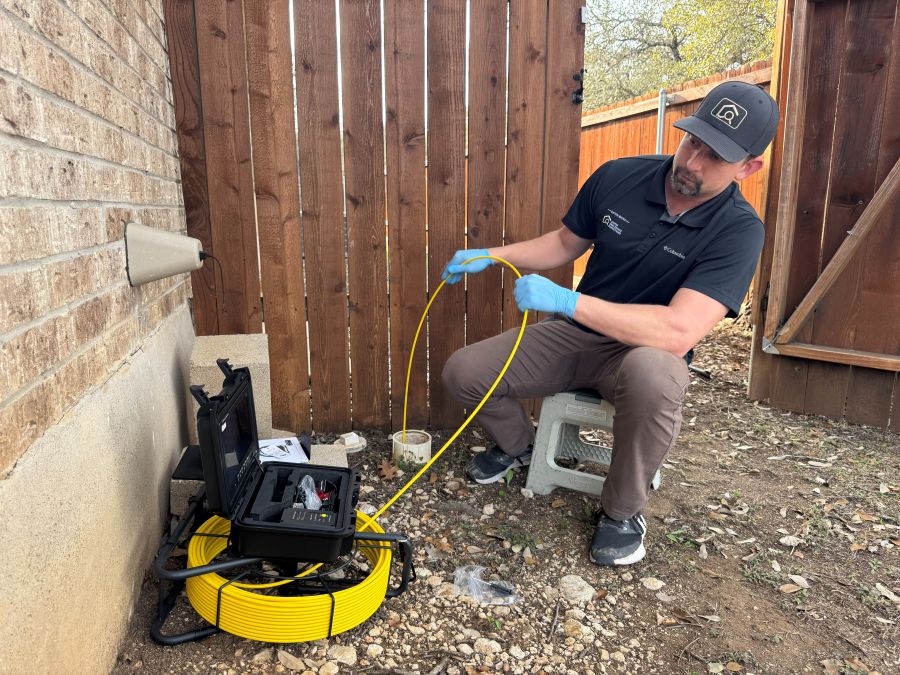
I inspect the accessible main sewer line, document its visible condition and help locate significant concerns when practical.
I may run plumbing fixtures during the inspection to evaluate drainage and help identify backups or flow concerns.
Accessible sewer cleanouts are normally preferred. If one is unavailable, I look for other practical options, including a suitable roof vent when appropriate.
I push as far as practical beneath the home and, when possible, toward the public sewer main. Access, pipe layout and conditions determine how much of the line I can inspect.
I look for roots, offsets, separated joints, breaks, collapse, low areas, standing water, scaling, deterioration, buildup, blockages and questionable repairs.
I record the access point, visible pipe material, approximate footage inspected, significant findings and any portions I could not inspect.
When useful, I use the camera’s sonde and a locator to help identify an approximate location. A photo, marking, distance reference or landmark can give a plumber a useful field reference.
You receive the full sewer scope video, narrated for context, along with photos, written findings and recommendations. Significant findings can link to the relevant point in the video when appropriate. Useful location details help you and your plumber understand what was found and where to investigate.

★★★★★ Google Review
Buyer’s inspection included a sewer scope.
“Everything was inspected thoroughly… Was very impressed with the detailed and comprehensive report we received shortly after he left. Highly recommend his service. A++” · Dan S.
Normal drainage today does not rule out a developing sewer problem. Roots, moderate bellies, scaling, deterioration and damaged joints may be present before they cause an obvious blockage or backup.
Older cast iron, clay, Orangeburg and similar piping can develop age- and material-related concerns, including deterioration, scaling and damaged joints.
Roots can enter damaged joints, cracks and openings along the sewer route, sometimes before drainage slows noticeably.
Slow drains, gurgling, backups or sewer odors warrant a closer look. Tell me what you have noticed and whether the problem comes and goes.
Movement can contribute to offset joints, low areas, separations or changes in pipe slope.
Known or suspected sewer repairs and altered plumbing layouts can involve material transitions, abandoned sections or questionable connections worth examining.
Newer PVC systems can still have poor alignment, installation defects, damage or construction debris. A sewer scope is not only for old homes.
These are useful reasons to consider a scope, not the only ones. One clue does not prove a defect, and the absence of symptoms does not establish the condition of the line.
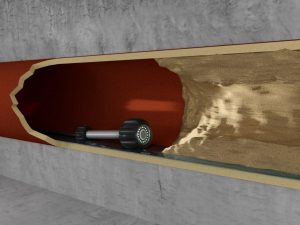
The camera helps reveal visible conditions that may affect drainage, maintenance needs or future repair costs.
Roots can enter through joints, cracks, and openings in the pipe. Mature trees near the sewer path can increase the likelihood of root intrusion and related damage.
Pipe sections may no longer align properly due to installation issues, soil or foundation movement, or physical disturbance above the sewer line.
Low sections can hold standing water and debris instead of allowing consistent drainage. These may result from installation conditions or soil movement.
I look for cracked, broken, deteriorated, or collapsed sections that may affect the integrity or function of the sewer line.
Older cast-iron piping can develop heavy internal scaling, rough surfaces, and deterioration that may restrict flow or indicate a need for repair, replacement, or monitoring.
Persistent standing water can indicate a low area, inadequate slope, restriction, or another condition affecting normal drainage.
Changes between pipe materials and visible repair areas are documented because these locations can reveal the history and condition of the sewer system.
I look for debris, foreign material, buildup, and other restrictions that may reduce the usable diameter of the pipe or interfere with drainage.
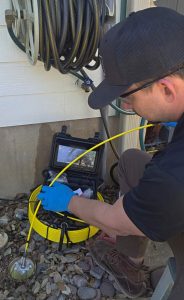
I am a home inspector, not a repair contractor. My role is to give you an independent inspection and documentation before you decide what, if anything, needs repair.
Whether you own the home or are considering buying it, you receive a clearer picture of the accessible sewer line’s visible condition.
I do not perform or sell sewer-line repairs or replacements. The inspection and its findings remain separate from any future repair proposal.
If a significant condition is found, the report and camera footage give you useful documentation to take to a licensed plumber for further evaluation, repair recommendations, or pricing.

Book a standalone evaluation for your home or add a sewer scope to a home inspection. Realtors can arrange the service for clients and share any closing deadlines or access instructions.
You are welcome to attend and discuss findings on-site. If you cannot be there, you still receive the same-day report, photos and full video.
With appropriate authorization, I can coordinate property access through ShowingTime and Supra.
Book the sewer scope as its own appointment or add it to a complete home inspection for a reduced add-on price.
Accessible sewer cleanouts are normally preferred. If you know where yours is, having it accessible can help prevent an unsuccessful visit. You do not need to locate it yourself before booking. Tell me if access is uncertain so we can discuss practical options.
Arrange property access. Interior access and active utilities are not required. Running water, when available, helps me observe flow and standing water; it does not establish that the line is free of leaks or blockages. If a cleanout is unavailable, I will look for another practical entry point, including a suitable roof vent when appropriate. I do not remove toilets to create access.
See the policy if a meaningful scope cannot be performed because access is unavailable.
A sewer scope is $175 with a home inspection or $250 as a standalone service. The fee includes inspection of the accessible main sewer line, a same-day Spectora report, photos of findings and the full video.
No. Looking inside the underground sewer line requires a separate camera inspection. Add it to your home inspection for $175 or book it separately for $250.
Yes. Normal drainage during a visit does not rule out developing root intrusion, moderate bellies, scaling, deterioration or damaged joints. A scope can reveal visible concerns before an obvious blockage or backup occurs.
It can be worthwhile. Newer PVC lines can still contain construction debris or have damage, poor alignment, improper slope and other installation defects. Buyers may use documented findings to discuss further evaluation or corrections with the builder.
Your same-day Spectora report includes written findings, photos, recommendations and the full sewer scope video, narrated for context. It documents the access point, visible materials, approximate footage inspected and limitations.
When appropriate, findings link to the relevant point in the video. Available location details help a plumber understand where a concern was observed.
I first look for other practical access options, including an interior cleanout or a suitable roof vent when appropriate. I do not remove toilets to create access.
Standalone visit: If I make the trip and a reasonable attempt but cannot perform a meaningful scope because suitable access is unavailable, the attempted-scope visit fee is $150. This fee is not credited toward a return visit. If I return after access is provided and perform the scope, the normal $250 standalone fee applies.
With a home inspection: If suitable access cannot be found and I cannot meaningfully perform the scope, I generally do not charge the $175 sewer-scope add-on fee.
You do not need to attend, although you are welcome to see the process and discuss the findings. With appropriate authorization, I can coordinate property access through ShowingTime and Supra.
Share any known cleanout location and access restrictions before the appointment. Interior access and active utilities are not required; running water, when available, helps me observe flow.
I provide an independent inspection and documentation without selling sewer-line repairs or replacements. You can use the findings to decide on next steps, whether you are buying a home or maintaining one you already own.
A licensed plumber can evaluate significant concerns further, advise on repairs and provide pricing or additional diagnostics when needed.
A sewer scope is a visual camera inspection of the accessible interior of the line. It cannot identify every defect or every leak and is not a pressure test or comprehensive leak test. Access, pipe configuration, standing water and obstructions can limit the view or camera travel.
If further testing is warranted, I may recommend a separate specialized evaluation, such as pressure testing by a qualified provider. I do not currently offer pressure testing.
Serving Austin, Cedar Park, Leander and nearby Central Texas communities. Book for your home, add a scope to a buyer’s inspection or coordinate a visit for your client.
$175 with a home inspection · $250 standalone
The camera follows the accessible line, under the structure where applicable and toward the city connection when possible. Access, pipe configuration and obstructions can limit how far it travels.
You receive the full narrated video, relevant still images, written findings and the cleanout location where applicable. If the line cannot be fully scoped, the report explains which portion was viewed and any recommended next steps.
Defect locations may be approximate. A plumber may need to verify the location before planning a repair.